About the Book
The Reconciliation is a contemporary thriller set over a single night in a closing skilled-nursing facility on a county road — a building winding its heat down to pipe-safe, its lights down to exit-sign, its twelve years of charts staged on a skid for a confidential-destruction truck that comes at first light. It is a story about the quiet violence of paperwork: how a system can erase a person long before anyone dies, and keep billing the erasure for months afterward.
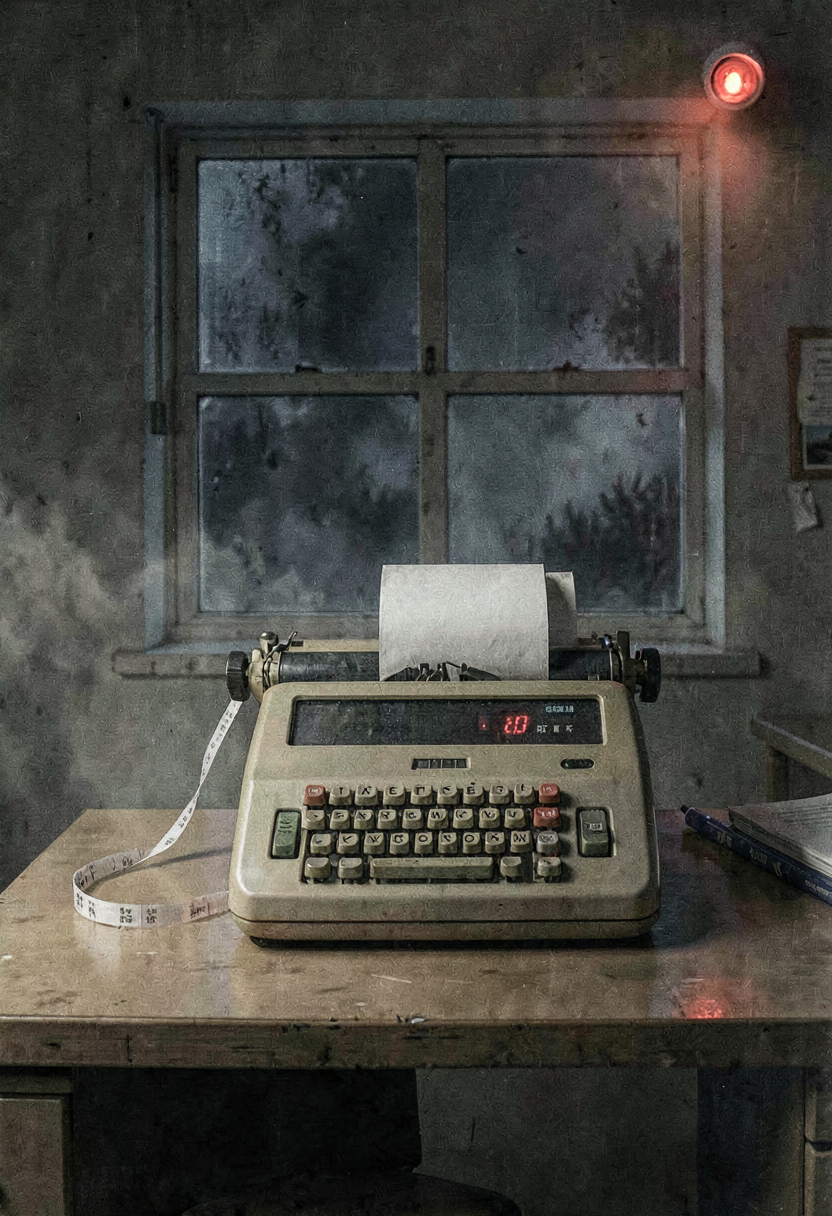
Its narrator, Della Marchetti, reconciles the world with her father's forty-year-old adding machine, because a paper tape feeds one direction and cannot be fed back — a witness that cannot be coached, in a building where every other record can be edited at four in the morning with a mouse and a smile. Against the warmth of an administrator who counts her keys like a rosary, the compulsions of a billing man who can't bear a number to be wrong, and an aide who has kept the right dates in a notebook for eighteen years, Della has to decide who gets believed, and who gets disappeared into a spreadsheet.
It is a book about complicity and the cost of finally refusing to look away — morally grey, claustrophobic, and tense from the first envelope of cash on the desk to the last coil of tape in the mail.
Genre: Thriller / Mystery · Rating: R · 10 Chapters
Published chapter by chapter on luna-v7.com